
News
The Advantages and Disadvantages of Invisalign: Is It Right for You?
Expert insights provided by the technical team at China Dental Labo
When it comes to orthodontic treatment in the USA, Invisalign has become a household name. Known for its advanced technology and aesthetic appeal, it offers a modern alternative to metal braces. However, like any dental procedure, it has its pros and cons. In this article, we will analyze the advantages and disadvantages of Invisalign to help you decide if it is the right choice for your smile.
What are Clear Aligners?
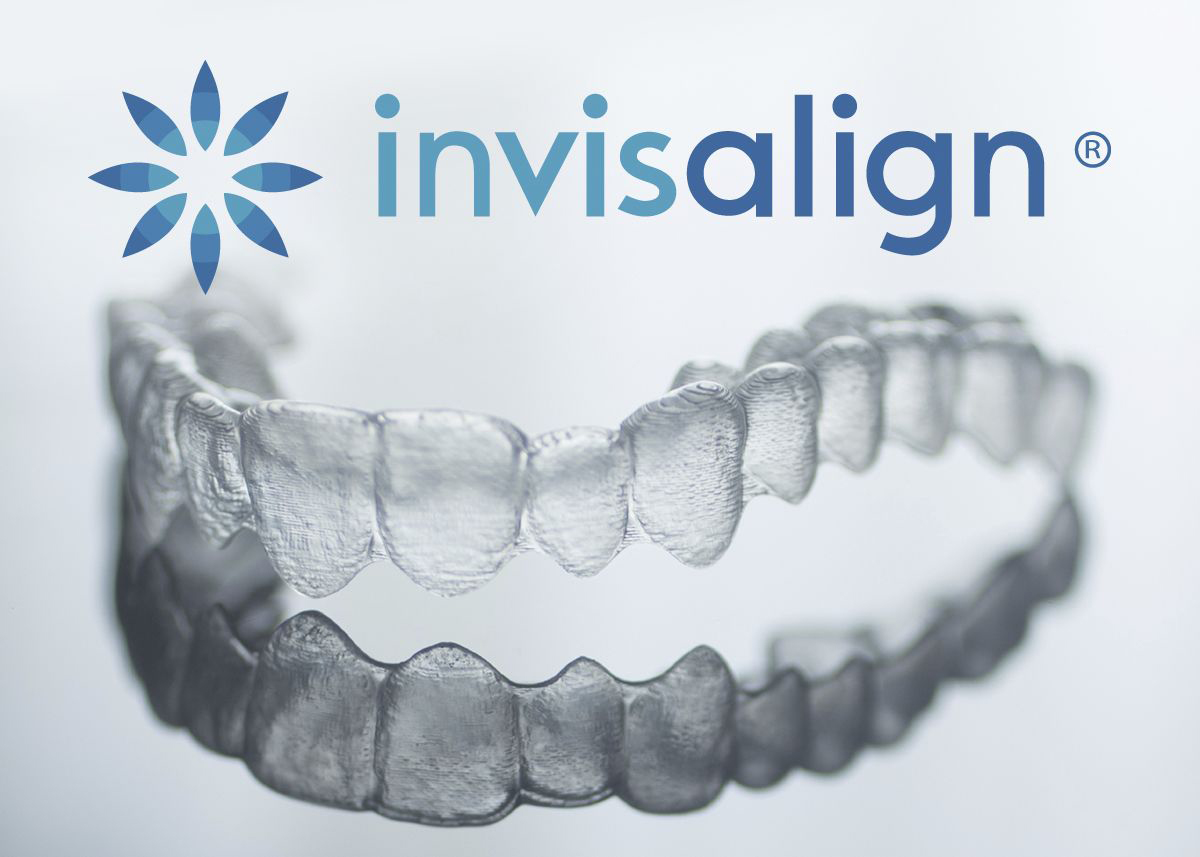
Clear aligners, often referred to as invisible braces, are an orthodontic technique that aligns teeth without using metal brackets or wires. Currently, the most recognized brand globally is Invisalign.
Introduced in the USA in 1997, Invisalign typically requires a series of 20-40 custom-made clear trays during the treatment process. These aligners are produced based on a precise 3D simulation (ClinCheck) of the patient’s teeth, gradually moving them into the desired position.
Advantages of Invisalign
Why do millions of patients across the US prefer this method? Here are the primary benefits:
- Aesthetic Appeal (Invisibility): The most significant advantage is that the aligners are virtually invisible. This allows adults and teens to straighten their teeth without the self-consciousness associated with metal braces.
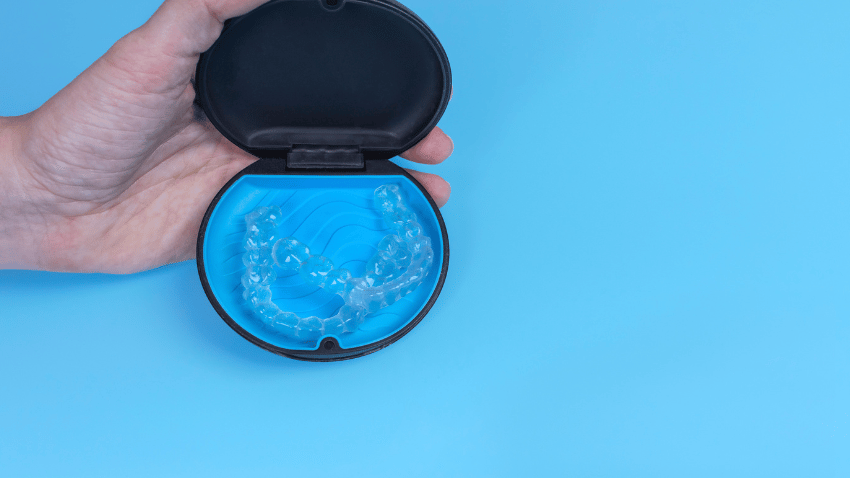
- Convenience & Dietary Freedom: unlike traditional braces, Invisalign trays are removable. You can take them out to eat whatever you like—popcorn, apples, or nuts—without worrying about breaking a bracket.
- Superior Oral Hygiene: Since you remove the aligners to brush and floss, maintaining oral health is much easier. There are no wires to trap food or plaque, reducing the risk of gum disease during treatment.
- Comfort: The aligners are made of smooth, BPA-free plastic (SmartTrack material). They fit snugly over your teeth and do not irritate the cheeks or gums like sharp metal wires often do.
- Fewer Dental Visits: For busy patients, Invisalign is ideal. It typically requires fewer office visits compared to traditional orthodontics since there are no wires to tighten.
Disadvantages of Invisalign
To provide a balanced view of the advantages and disadvantages of Invisalign, we must also look at the potential downsides:
- Strict Discipline Required: Compliance is key. You must wear the aligners for 20–22 hours a day. If you forget to put them back in after eating or sleeping, the treatment will not work effectively.
- Need to Remove for Eating: While being removable is a pro, it can also be a con. You must remove them every time you eat or drink anything other than water, which can be inconvenient when dining out.
- High Cost: Generally, Invisalign is more expensive than traditional metal braces. However, many dental insurance plans in the USA now cover a portion of the cost.
- Limited Application: While technology has improved, Invisalign may not be suitable for complex orthodontic cases involving severe skeletal misalignment or vertical movement of teeth.
Conclusion
Understanding the advantages and disadvantages of Invisalign is crucial before making an investment in your smile. For most patients seeking a discreet, comfortable, and effective solution, the pros far outweigh the cons.
At China Dental Labo, we support dental professionals with high-quality digital orthodontic solutions. If you are looking for a reliable outsourcing partner, contact us today.
Contact Us
- Email: chinadentaldesigns@gmail.com
- Website: chinadentallabo.com